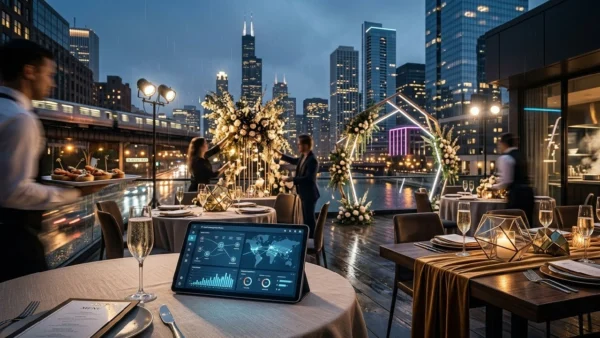
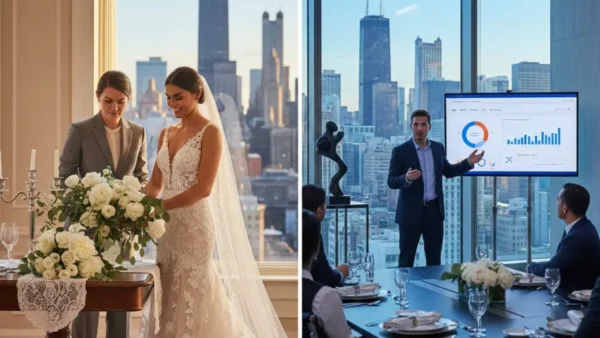
Finding the right place to host your event is one of the most important decisions you’ll make. This step-by-step guide shows you how to choose the perfect event venue for weddings, corporate gatherings, or private parties — and includes a printable checklist to use during site visits.
Use it to compare spaces, ask the right questions, and avoid costly surprises.
Why the venue matters more than you think
A venue affects ambiance, logistics, cost, and the comfort of guests. Moreover, it determines what vendors you can use, whether you need permits, and the technical capabilities for AV and staging.
Choosing wisely saves time, reduces stress, and helps you deliver a memorable experience.
Step 1 — Define your event priorities
Before you start touring spaces, agree on what matters most. Is it atmosphere, capacity, accessibility, or budget? For weddings, couples often prioritize photography-friendly light and elegant backdrops. For corporate events, AV, breakout rooms, and power/internet are critical.
Write down your top 4 non-negotiables and carry them to every venue visit.
Step 2 — Shortlist venues that fit your brief
Use local resources and searches like event-planner-near-me or specific pages such as wedding-planner-in-chicago for regional options. Additionally, ask for recommendations on vendor pages (caterers, photographers) and check galleries for real event photos.
Shortlist 4–6 venues that roughly meet your requirements — then schedule site visits.
Step 3 — What to check during the site visit
Bring the printable checklist below and inspect these must-haves:
- Capacity & layout: Can the space comfortably fit your expected guest count with the desired furniture and dance floor?
- Accessibility: Parking, public transit, ADA access, and loading zones for vendors.
- Acoustics & AV: Is there in-house sound? What are the microphone/stage options?
- Lighting & power: Natural light, rigging points, and sufficient power outlets.
- Catering rules: In-house catering or outside vendors allowed? Kitchen access and service logistics.
- Permissions & insurance: Required permits, noise curfews, and insurance requirements.
- Restrooms & flow: Enough restrooms? Smooth guest flow between the ceremony, cocktail, and reception areas?
- Weather backup: For outdoor spaces, what’s the contingency for rain or extreme weather?
- Restrictions: Open flame, confetti, amplified music limits, and decor restrictions.
Tip: Take photos from the same vantage points at each venue for easier comparisons later.
Step 4 — Ask about vendor & service details
Ask the venue manager direct questions about vendors and services. Common questions include:
- Do you provide preferred vendor lists or allow outside vendors?
- What staff is included (security, cleaning, event manager)?
- Is there a kitchen or prep area for caterers?
- How many hours are included, and what are the overtime rates?
- How is waste managed (important for sustainable events)? See our sustainable-luxury-events guidance.
Venues with strong vendor relationships often make logistics smoother, but confirm flexibility to avoid favoritism.
Step 5 — Understand pricing, contracts & hidden costs
A venue quote should be detailed. Therefore, request an itemized contract covering rental fees, security, cleaning, deposit rules, taxes, and cancellation terms. Watch for hidden costs like corkage fees, mandatory vendor minimums, or insurance riders.
If you’re unsure, compare quotes side-by-side and ask your planner to review contract language before signing.
Step 6 — Evaluate the guest experience
Step back and imagine the guest journey: arrival, coat check, check-in, moving to the ceremony or main room, dining flow, and exit. Does the venue support that flow? Small details — signage, coat rooms, guest seating, and clear sightlines — dramatically affect comfort.
Check examples in the gallery to see how a space performs during real events.
When to hire a venue scout or event planner
If you’re short on time or planning a high-stakes event, hire a professional who knows the local market. A venue scout or event-planning-services can save hours and often negotiate better terms. Also, a planner will handle on-site logistics and vendor coordination so you can focus on the event.
Special notes for weddings and corporate events
Weddings: Pay extra attention to photography locations, ceremony acoustics, and guest sightlines. Ask about rehearsal access and vendor load-in times.
Corporate events: Prioritize AV, breakout rooms, internet bandwidth, and exhibitor load-in/out. Check the venue’s capabilities for registration and badge printing.