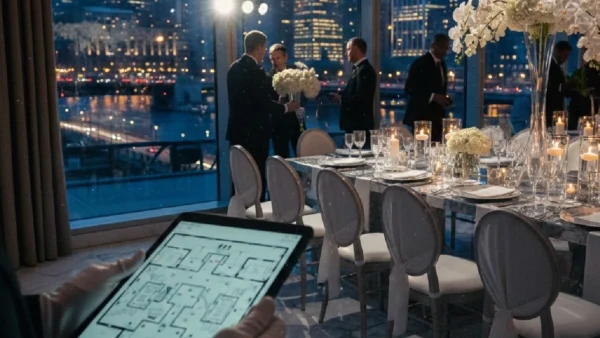
Planning an event in Chicago in 2026 should be exciting. However, many hosts still make avoidable mistakes that lead to stress, overspending, and poor execution.
Even with access to better tools and vendors, events often feel disorganized when planning lacks strategy and coordination.
So, what are the most common mistakes—and how can you avoid them?
In this guide, we break down the top 10 event planning mistakes Chicago hosts still make and, more importantly, how to fix them for a seamless experience.
—
Why Event Planning Mistakes Still Happen
At first, event planning may seem simple. However, behind every successful event is detailed coordination, timing, and decision-making.
Without a structured approach, even small issues can quickly turn into major problems. As a result, many hosts rely on professional event planning services for better outcomes.
—
1. Starting Too Late
One of the biggest mistakes is delaying the planning process. Because of this, hosts struggle to book top venues and vendors.
In Chicago, popular options get booked months in advance. Therefore, starting late limits your choices and increases costs.
Fix: Begin planning at least 6–12 months ahead.
—
2. Setting an Unrealistic Budget
Many hosts underestimate costs. While initial estimates may seem reasonable, hidden expenses quickly add up.
For example, service fees, taxes, and overtime charges often get overlooked.
Fix: Create a detailed budget and include a contingency fund. Learn how planners help reduce costs.
—
3. Trying to Do Everything Alone
DIY planning may seem cost-effective. However, handling everything alone often leads to burnout and mistakes.
Meanwhile, managing vendors and timelines without experience can be overwhelming.
Fix: Hire an event planner in Chicago to handle logistics.
—
4. Poor Vendor Coordination
Booking vendors is only the first step. Without proper coordination, miscommunication can occur.
As a result, delays and incorrect setups become common.
Fix: Use structured communication or rely on experts in vendor coordination.
—
5. Ignoring the Event Timeline
A missing or unclear timeline can disrupt the entire event. Guests may feel confused, and key moments may be delayed.
Fix: Create a detailed timeline covering setup, activities, and transitions.
—
6. Overcomplicating the Design
Too many design elements can overwhelm the event. Instead of enhancing the experience, complexity creates confusion.
Fix: Focus on a clean, cohesive design. Explore modern trends for inspiration.
—
7. Forgetting Guest Experience
Visuals matter, but guest experience matters more. Poor flow, long waits, or unclear layouts can affect satisfaction.
Fix: Design your event with guest comfort in mind. Learn how to create memorable experiences.
—
8. Not Having a Backup Plan
Unexpected issues are inevitable. Without a contingency plan, small problems can escalate quickly.
Fix: Always prepare for weather changes, delays, or technical issues.
—
9. Booking the Wrong Venue
Choosing a venue without considering capacity, layout, or accessibility can cause major issues.
Fix: Use this venue checklist to make the right decision.
—
10. Lack of Professional Coordination on Event Day
Even with perfect planning, execution can fail without proper coordination.
Without someone managing the event, issues can quickly spiral.
Fix: Ensure on-site coordination with professionals.
—
How to Plan a Flawless Event in Chicago
To avoid these mistakes, focus on the following strategies:
- Start early
- Set a realistic budget
- Work with professionals
- Create a clear timeline
- Prioritize guest experience
By following these steps, you can significantly improve your event outcome.
—
FAQs (AEO Optimized)
What is the biggest event planning mistake?
Starting too late and lacking coordination are the most common mistakes.
How can I avoid event planning mistakes?
Plan early, create a budget, and work with professionals.
Are event planners worth it in Chicago?
Yes. They help prevent mistakes and ensure smooth execution.
How far in advance should I plan an event?
Ideally, 6–12 months before your event.
What makes an event successful?
Strong planning, clear timelines, and excellent coordination.
—
Final Thoughts
Even in 2026, event planning mistakes remain common. However, with the right strategy, they are completely avoidable.
By understanding these pitfalls and planning carefully, you can create a seamless and memorable event.
Ultimately, success comes down to preparation, coordination, and smart decision-making.